

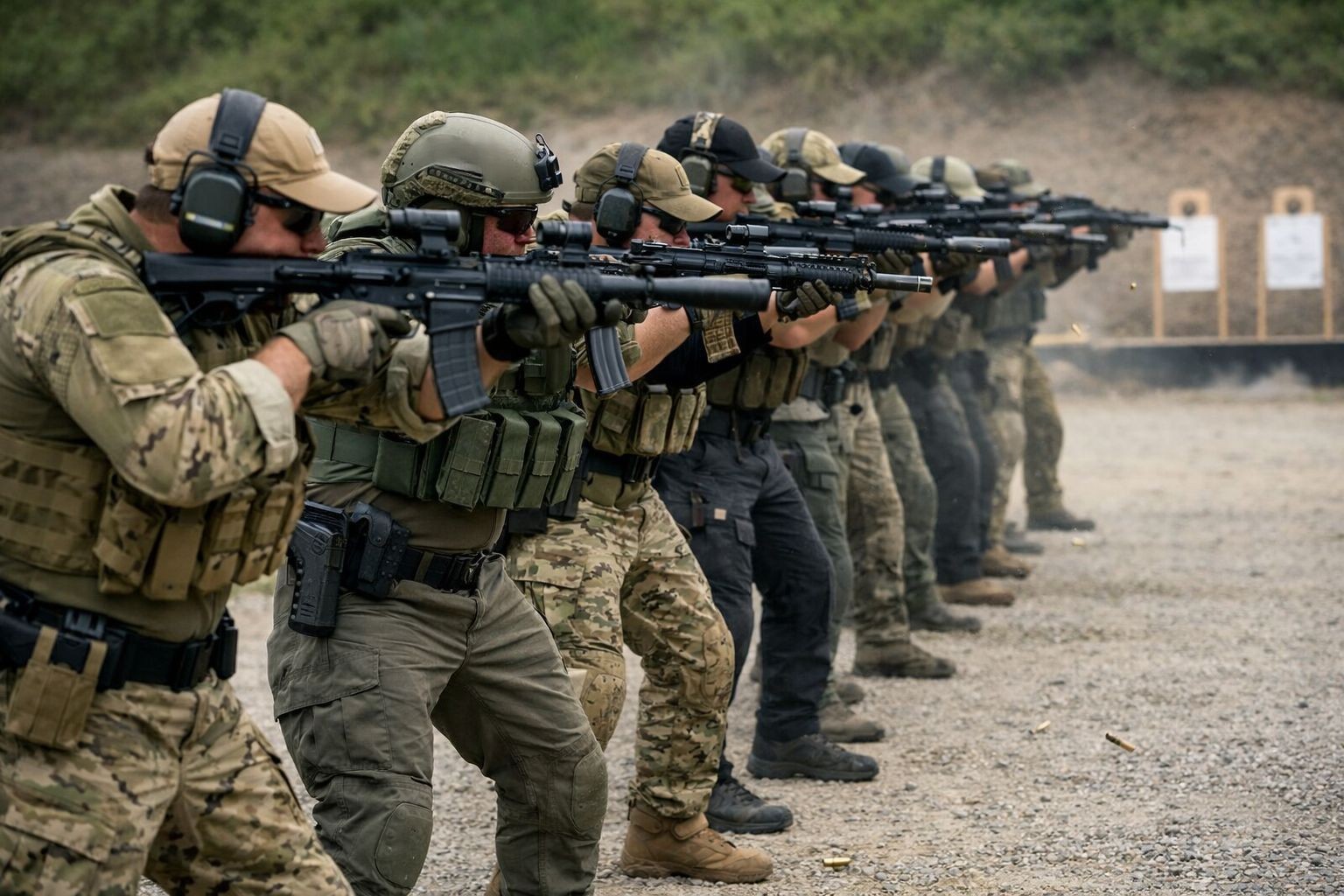
What Our Experts Say About Tactical Training
Tactical training has evolved far beyond traditional drills. Today, it blends psychology, physical conditioning, situational awareness, and advanced defensive strategies. In this expert‑driven article, we explore what tactical training really means, why it matters, and how professionals sharpen their skills for real‑world scenarios.
1. Tactical Training Starts With Mindset
According to our specialists, the foundation of tactical readiness is a resilient mindset. This includes:
- Situational awareness
- Emotional control
- Threat recognition
- Confidence under pressure
A strong mindset allows trainees to respond rather than react.
2. Skill Development Must Be Realistic
Experts stress that training must simulate real‑world conditions. This includes:
- Low‑light environments
- Confined spaces
- Unpredictable threats
- Stress‑inducing drills
Realistic training builds muscle memory and sharpens instinctive responses.
3. Physical Conditioning Is Non‑Negotiable
Tactical performance depends heavily on physical readiness. Professionals recommend:
- Strength training
- Cardiovascular endurance
- Mobility and flexibility
- Functional movement drills
A fit body supports a sharp mind.
4. Tools and Techniques Are Constantly Evolving
Modern tactical training incorporates:
- Firearm proficiency
- Close‑quarters combat
- Defensive driving
- Communication protocols
- Team‑based operations
Technology also plays a role, with VR simulations and digital scenario trainers becoming more common.
Why Tactical Training matters today
Experts agree that modern threats require modern preparation. Tactical training helps individuals:
- Stay calm in emergencies
- Protect themselves and others
- Make fast, informed decisions
- Improve confidence and discipline
- Build teamwork and leadership skills
Whether for professional duty or personal safety, tactical training empowers people to respond effectively when it matters most.
How to Get Started With Tactical Training
If you’re new to tactical training, experts recommend:
- Choosing a reputable training academy
- Starting with basic safety and awareness
- Progressing to advanced skills gradually
- Maintaining consistent practice
Beginners should focus on fundamentals before moving into specialized disciplines.
Conclusion
Tactical training is more than a set of drills — it’s a comprehensive approach to mental strength, physical readiness, and strategic thinking. Our experts highlight that anyone can benefit from tactical skills, whether for professional development or personal safety.
If you’re ready to elevate your preparedness, tactical training offers a powerful path toward confidence and capability.
Please contact us on info@gunsnroses.co.za for more information on how we can assist you in finding the correct training.
Guns ‘N Roses Team

